The two games side by side
| What differs | Ice hockey | Roller (inline) hockey |
|---|---|---|
| Surface | Ice, kept a few degrees below freezing inside a cooled building. | Sport court tiles, sealed concrete or similar, indoors or outdoors. |
| Skates | Steel blades. You glide on an edge and stop by scraping sideways. | Inline wheels in a row. Strides feel similar, stopping feels very different. |
| Players per side | Usually five skaters and a goalie. | Usually four skaters and a goalie, so there is more open space. |
| Offside and icing | Both are called in standard rules. | Most rulesets have neither, which keeps play moving. |
| Puck | Hard rubber, frozen before games in many rinks so it bounces less. | Lighter plastic puck with small runners, or a ball in some recreational games. |
| Body checking | Adult beginner and recreational leagues are almost always no-check. | Recreational play is generally no-check. |
| Game length | Commonly three periods. Recreational leagues often shorten them. | Commonly two halves. Varies a lot by league. |
| Heat factor | The building is cool, but you still sweat hard inside the gear. | Outdoor courts can get very hot in sun. Indoor roller rinks vary. |
The details vary by league, especially in roller hockey, where several rulebooks exist. Your league or rink can tell you exactly which rules it uses.
How they feel
Ice is slippery and fast. You glide a long way on each stride, and the edges of your blades let you carve turns and stop on a dime once you learn how. Falls are frequent at first, though the ice is smooth.
Roller hockey feels grippier. Wheels roll freely forward but resist sliding sideways, so stopping and tight turns take different techniques. Falling on a hard court can scrape more than ice, which is one reason elbow pads, gloves and a good girdle or pants matter.
Space and pace
With four skaters a side and usually no offside or icing, roller hockey has more room and fewer whistles. Play tends to flow up and down the rink. Ice hockey's lines and fifth skater create more structure, with set plays around the blue lines. Many players enjoy both for different reasons.
Which suits a hot place?
Ice hockey is played in a cooled building, so summer heat matters mostly on the way in and out. You still sweat a great deal inside the gear, and the dry air in the rink adds to fluid loss.
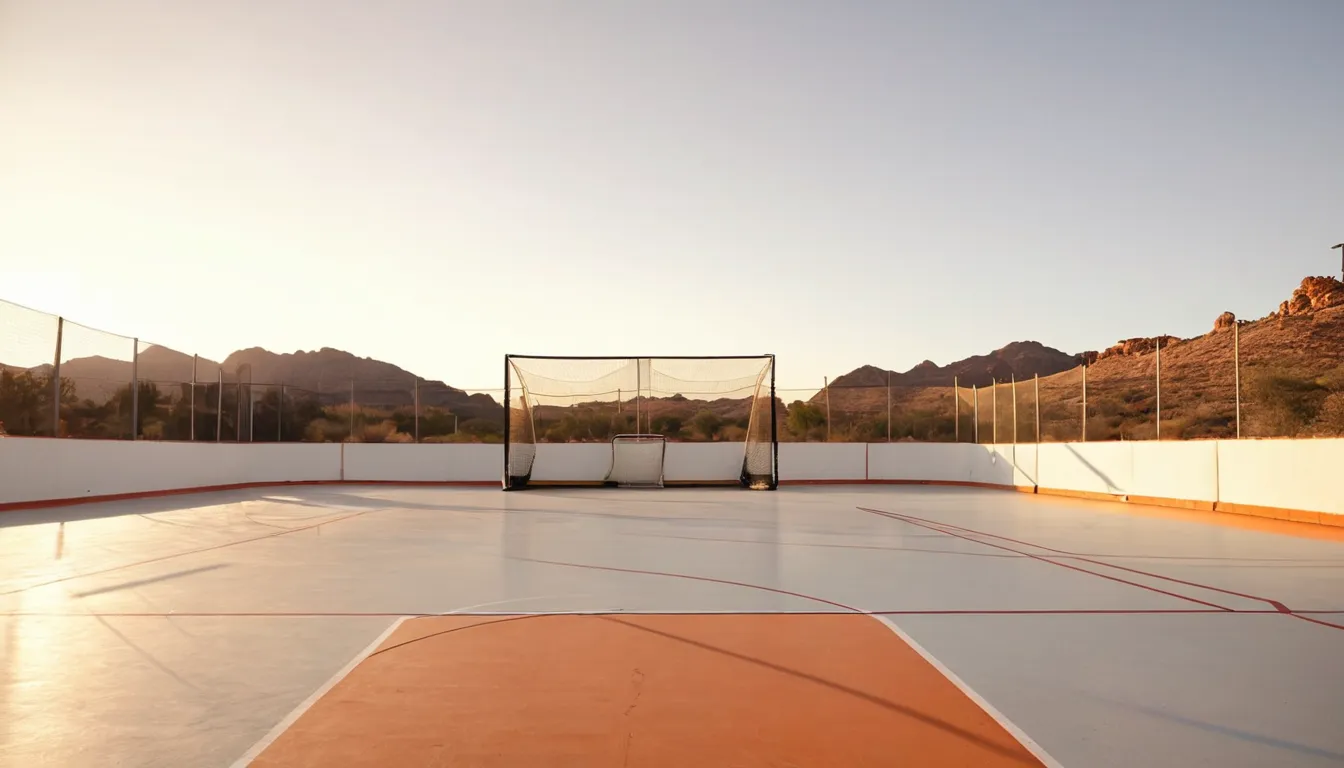
Roller hockey may be indoors or outdoors. Indoor roller rinks are not always air conditioned, so ask. Outdoor courts can get dangerously hot in summer sun, and the surface itself can burn bare skin. In the hottest months, outdoor games are often moved to early morning or evening. Our staying cool guide has a full checklist.
Switching between them
Skating skills transfer well in both directions. Players moving from roller to ice often adjust quickly to the stride, then need time with stops and edges. Players moving from ice to roller usually need to relearn stopping. Stick skills transfer almost completely, though the lighter roller puck and the ice puck behave differently.
How to choose
- Distance. Pick the rink you can get to every week. Regular practice matters more than which surface.
- Programs. Look at which rink runs beginner programs that fit your schedule and age.
- Costs. Ask about program fees, ice or court time and gear. Prices vary widely by area.
- Season. If the only nearby roller rink is outdoors, think about how you will handle summer. Indoor ice may be easier from June to September.
Ice or roller FAQ
Can I use my ice hockey gear for roller hockey?
Most protective gear works for both. You need inline skates, a roller puck or ball, and possibly lighter pants or a girdle. Check your league's rules.
Is roller hockey easier to learn?
Many people find the first steps on wheels less slippery, but stopping takes work. Ice hockey has more rules to learn. Neither is easy, and both are fun once you can skate.
Keep going
Skating basics
Stance, stride, stopping and falling safely, on ice and on inline wheels.
HeatStaying cool
Hydration, heat illness warning signs, and how to handle the jump from hot parking lot to cold rink.
PlayFind a rink
Public skates, learn-to-play programs, stick and puck, drop-in and beginner leagues, and what to ask.